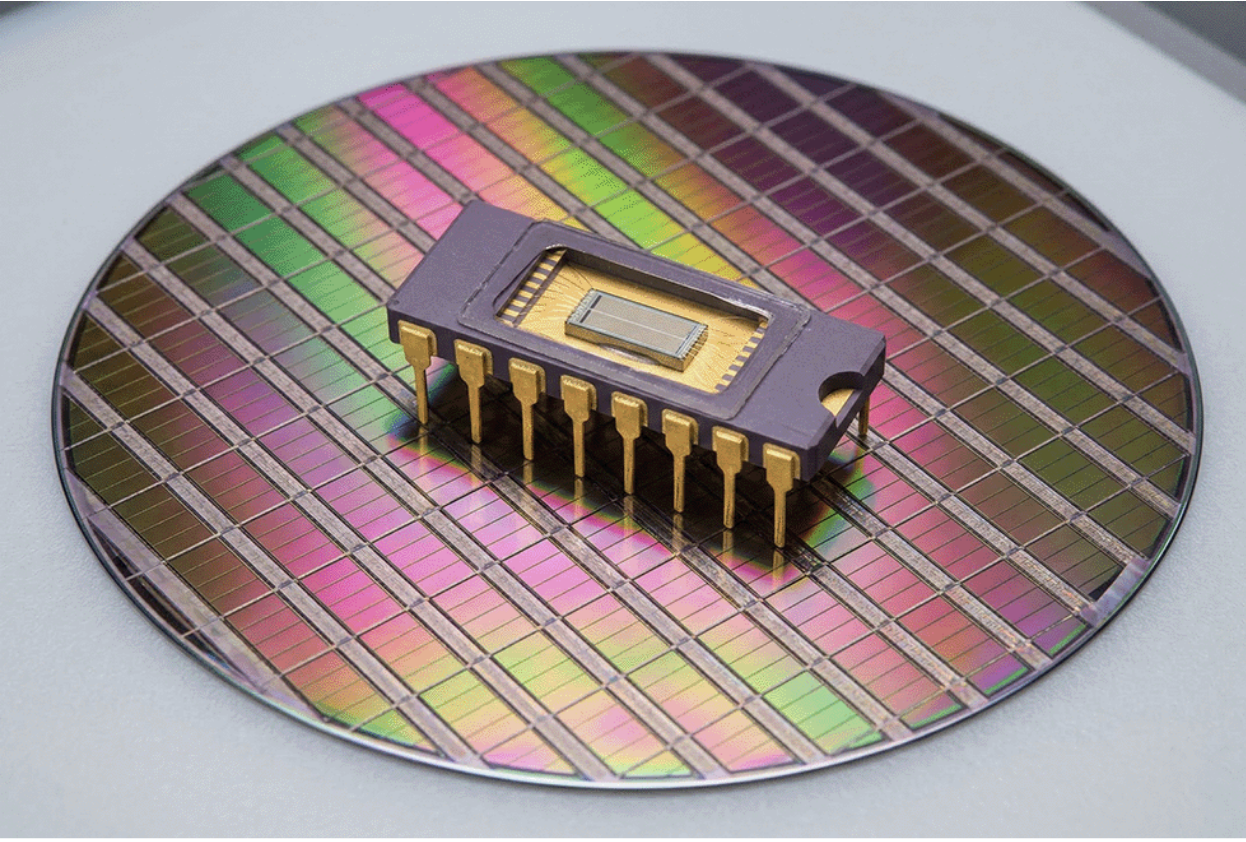
DRAM memory is becoming harder to find as AI infrastructure consumes an increasing share of global supply. However, you can still secure it by working with independent distributors that have access to global inventory and allocated stock.
The shortage is real, but it is not unsolvable if you know where to look and how to source strategically.

We help engineers, buyers, and procurement teams source DRAM semiconductors through our global supplier network. At Summit Electronics, we maintain access to in-stock inventory and hard-to-find parts, helping you keep production moving even when supplies are tight.
Why DRAM Semiconductors Are in Short Supply
Several factors are driving the current shortage.
- AI infrastructure requires high-bandwidth memory and large DRAM capacity
- Data centers are expanding rapidly to support cloud and AI workloads
- Only three major companies control over 90% of DRAM production: Samsung, SK Hynix, and Micron
- Fabrication plants take years to build and scale
- Production is shifting toward advanced memory, like HBM, reducing the supply of standard parts
Recent reporting by Bloomberg and Fortune shows that AI demand is absorbing a large share of global memory output, limiting availability for other industries. This has created a supply imbalance that continues into 2026.
What DRAM Semiconductors Are Used For
These memory semiconductors serve as the main working memory in modern electronics. They store active data that processors need immediate access to.
Key applications include:
- Computers and laptops for operating systems and applications
- Smartphones and tablets for multitasking and high-speed processing
- Data centers for cloud computing, AI training, and real-time analytics
- Graphics systems using GDDR for rendering and video workloads
- Automotive systems for ADAS and infotainment
Each DRAM cell stores data using a transistor and a capacitor. It must refresh constantly to retain information. This design enables high density and lower cost than SRAM, making it the standard for main memory.

Why AI Is Driving a Global Memory Shortage
AI workloads require large amounts of fast-access memory. Training models and running inference tasks depend on high-capacity DRAM and high-bandwidth memory.
As a result:
- Manufacturers prioritize AI-related memory production
- Supply shifts away from general-purpose applications
- Prices increase as demand exceeds supply
- Lead times extend across multiple product categories
A recent CNN report shows that hyperscale data centers are consuming a significant share of available memory semiconductors. This trend is expected to continue as AI adoption expands across industries.
How to Source DRAM Semiconductors in a Tight Market
You can still secure supply if you adjust your sourcing strategy.
- Work with independent distributors like us who can access global inventories
- Source allocated or excess stock outside traditional channels
- Identify compatible alternatives when exact parts are unavailable
- Plan procurement earlier to avoid delays
Relying only on authorized channels can slow you down during shortages. Expanding your sourcing approach gives you more flexibility and faster access to parts.
How Summit Electronics Helps You Secure Hard-to-Find Parts
We specialize in sourcing DRAM semiconductors and other memory semiconductors when availability is limited. Our inventory includes over 2 million parts across multiple categories, giving you access to both current and legacy components.

We support a wide range of industries, including military, aerospace, robotics, consumer electronics, and telecommunications. Our team focuses on fast delivery, competitive pricing, and reliable service so you can keep your projects moving without delays.
Micron’s Expansion and What It Means for Supply
According to a recent Reuters report, Micron announced plans to build a second DRAM manufacturing facility at a newly acquired site in Taiwan, adding more capacity for advanced memory production. This move reflects how strong AI demand has strained existing supply and pushed manufacturers to expand faster.
The new facility will support leading-edge DRAM, which is heavily used in AI systems and data centers. However, even with this investment, it will take years before the added capacity reaches full production.
In the near term, supply remains tight. Demand for AI infrastructure continues to outpace current output, so sourcing DRAM semiconductors will still require a flexible, global procurement approach.
DRAM Market Facts and Industry Trends
- Three companies control over 90% of global DRAM production
- AI-driven demand is one of the main drivers of current shortages
- Memory prices have increased due to limited supply and high demand
- New fabrication facilities are planned, but will take years to impact supply
Sources:
https://www.statista.com/
https://fortune.com/2026/02/15/ai-demand-memory-chip-shortage-crisis-dram-hbm-micron-skhynix-samsung/
Work With a Distributor That Can Actually Deliver
DRAM semiconductors are harder to secure, but access to the right network changes the outcome.
Summit Electronics helps you source what others cannot find. Whether you need current production parts or obsolete inventory, we connect you with reliable supply through our global network.
If memory is holding up your build, we are ready to help you move forward.
We’ve built our reputation on reliability and speed. That’s why the world’s largest parts companies rely on us. Click here or call us toll-free at (800) 226-6960.