What to Do When the Electronic Components OEM is Out of Stock?

  • Home
  • What to Do When the Electronic Components OEM is Out of Stock?
What to Do When the Electronic Components OEM is Out of Stock? Summit Electronics May 29, 2026

What to Do When the Electronic Components OEM is Out of Stock?

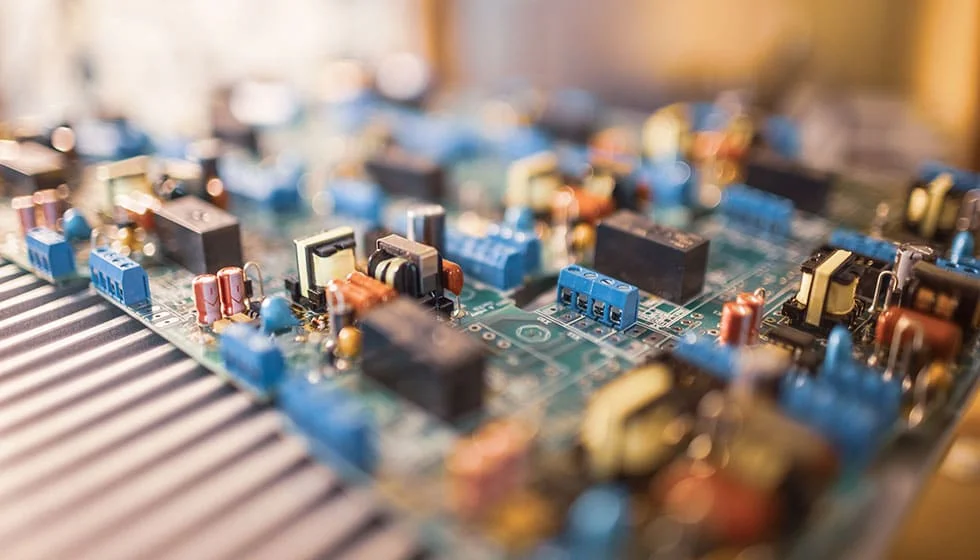
electronic components that make up a motherboard.
When Digi-Key, Mouser, Arrow, Avnet, or the OEM Has No Stock or Your Part is Obsolete, You Still Have Options.

If your production line depends on an older electronic component, one unavailable part can create a very expensive problem.

Summit-quote Maybe the circuit board still works, the machine still performs, and the product still has years of life left – but one chip, relay, sensor, power module, connector, or semiconductor has become difficult to find.

You can check Digi-Key. No stock. You can check Octopart, no luck. Mouser. No stock.

You check Arrow, Avnet, Newark, TTI, RS, Future Electronics, and other authorized distributors. Still nothing.

Then you contact the OEM, only to hear that the board is no longer supported, the part is obsolete, or the recommended replacement requires a redesign, requalification, or expensive equipment upgrade.

What do you do next?

For manufacturers, repair facilities, OEMs, and industrial companies from aerospace to semiconductor manufacturing, the answer is not to panic or buy from the first random online seller who claims to have inventory. The answer is to follow a careful sourcing process that helps you find the right part while reducing the risk of counterfeit, used, damaged, or incorrectly substituted components.

Start With the ‘Exact Part Number’

Before searching too broadly, confirm the exact part you need. With electronic components, small suffixes can matter. A single letter or number may indicate package type, temperature range, voltage rating, speed grade, lead finish, RoHS status, or another critical specification.

Gather as much information as possible, such as the following –

  • Manufacturer name
  • Full part number, including suffixes
  • Photos of the component markings
  • Datasheet, if available
  • Board or equipment model number
  • Package type and pin count
  • Voltage, tolerance, temperature rating, and speed grade
  • Whether the part is active, obsolete, discontinued, or end-of-life

If the component came from older production equipment, industrial machinery, medical equipment, aerospace systems, telecom hardware, transportation systems, or legacy electronics, accuracy matters. The goal is not simply to find something close. The goal is to find a component that works safely and reliably in the actual application.

Authorized Distributors Are the First Stop – But Not Always the Final Answer

Authorized distributors are usually the safest first step because they buy directly from manufacturers or approved channels. When they have stock, they can provide confidence around authenticity, traceability, and proper handling.

But in the real world, authorized distributors often have no inventory when the component is obsolete, allocated, discontinued, or in short supply. For newer production designs, a redesign or approved replacement may be the best long-term option. But for existing production lines, field repairs, legacy systems, and mission-critical equipment, redesign may not be practical or affordable.

That is where the search becomes more specialized.

Contact the OEM or Manufacturer for Approved Alternatives

If the component is part of a machine, control board, PLC, drive, sensor assembly, or industrial system, contact the OEM and ask whether the part is still supported. Sometimes the OEM can recommend an approved substitute, upgraded board, replacement module, or newer equivalent.

Good questions to ask the OEM about your electronic part include:

  • Is this part still supported?
  • Is there an approved replacement?
  • Is there a newer compatible board or module?
  • Has the OEM issued an end-of-life notice?
  • Was there a last-time-buy option?
  • Are there known cross-references or alternates?
  • Sometimes the OEM path works. Other times, the answer is simply: no stock, no support, no replacement, or a costly redesign.

At that point, companies often need help from an experienced independent distributor that understands obsolete and hard-to-find electronic components.

When Authorized Channels Have No Stock, Work With a Reputable Independent Distributor

Independent distributors play an important role in the electronics supply chain, especially when authorized distributors and OEMs cannot supply the part. This is particularly true for obsolete semiconductors, legacy microcontrollers, industrial power modules, older memory devices, connectors, relays, sensors, and specialized components used in long-life equipment.

A good independent distributor can help locate inventory through vetted sources, excess stock channels, global supplier networks, and surplus inventories. However, the key word is reputable.

Not every seller claiming to have a rare component is trustworthy. Some online listings may involve recycled parts, remarked parts, counterfeit parts, poor storage conditions, mixed date codes, or inventory that does not actually exist.

Before buying from any independent source, ask for details such as:

Photos of actual inventory
Date codes and lot codes
Original packaging, when available
Manufacturer markings
Quantity available
Country of origin, if known
Traceability information
Certificate of conformance, when available
Testing or inspection options
Return policy
Anti-counterfeit procedures

For production-critical parts, the lowest price is rarely the most important factor. The cost of a failed component can be much higher than the cost of careful sourcing.

Be Very Careful With Marketplaces

Marketplaces can sometimes be useful for hobby projects or non-critical repairs, but they are risky for production-line components. If a machine is responsible for revenue, safety, delivery commitments, or customer uptime, you should be very cautious about buying from random online sellers.

Red flags include:

  • Prices that are far below market
  • Huge available quantities of an obsolete component
  • Blurry or generic photos
  • No traceability
  • No return policy
  • Mixed date codes
  • Unclear country of origin
  • Sanded, resurfaced, or suspicious markings
  • “Compatible” claims without a datasheet
  • The seller cannot answer technical questions

If a component is hard to find everywhere else, but one unknown seller has thousands available at a bargain price, that should raise questions.

Test Before Committing to a Large Buy

When possible, buy a small sample before purchasing a larger quantity. Compare the markings, package, dimensions, and electrical performance. If the component goes into a production machine or critical system, test it under realistic operating conditions.

Depending on the application, testing may include:

  • Visual inspection
  • X-ray inspection
  • Solderability testing
  • Electrical testing
  • Functional testing in the board or machine
  • Thermal behavior under load
  • Comparison against known-good parts

The more critical the part, the more careful the process should be.

Build a Spare Parts Strategy

Once you find a reliable source for a hard-to-find component, do not treat the problem as solved forever. If the part is obsolete today, it may be even harder to find next year.

Build a list of critical components that could stop your production line if they fail. This may include older ICs, microcontrollers, memory chips, power modules, relays, sensors, displays, connectors, and control-board components.

A smart spare-parts strategy can help reduce downtime, rush orders, emergency sourcing, and expensive last-minute decisions.

Summit Electronics Can Help When Standard Channels Come Up Empty

Summit Electronics helps companies source obsolete, discontinued, hard-to-find, and long-lead-time electronic components when standard channels cannot solve the problem.

We are not here to tell buyers to ignore authorized distributors. In fact, authorized distributors are often the best first step when stock is available. But when Digi-Key, Mouser, Arrow, Avnet, the OEM, or the original manufacturer has no stock, companies need another path.

Our team works with customers who need practical sourcing support for older production equipment, legacy systems, repair programs, and production-critical electronic parts. Our goal is to help customers locate the right components while paying close attention to part accuracy, availability, sourcing risk, and the urgency of keeping equipment running.

The Bottom Line

When an electronic part is unavailable through authorized distributors or the OEM, the next step should be careful sourcing – not guesswork.

Start by confirming the exact part number. Check authorized channels. Ask the OEM about approved replacements. Then, if no stock is available, work with an experienced independent distributor that understands obsolete and hard-to-find components.

The goal is not just to find a part.

The goal is to find the right part, from the right supplier, with the least possible risk to your production line.

Click here or give us a call toll-free at (800) 226-6960.